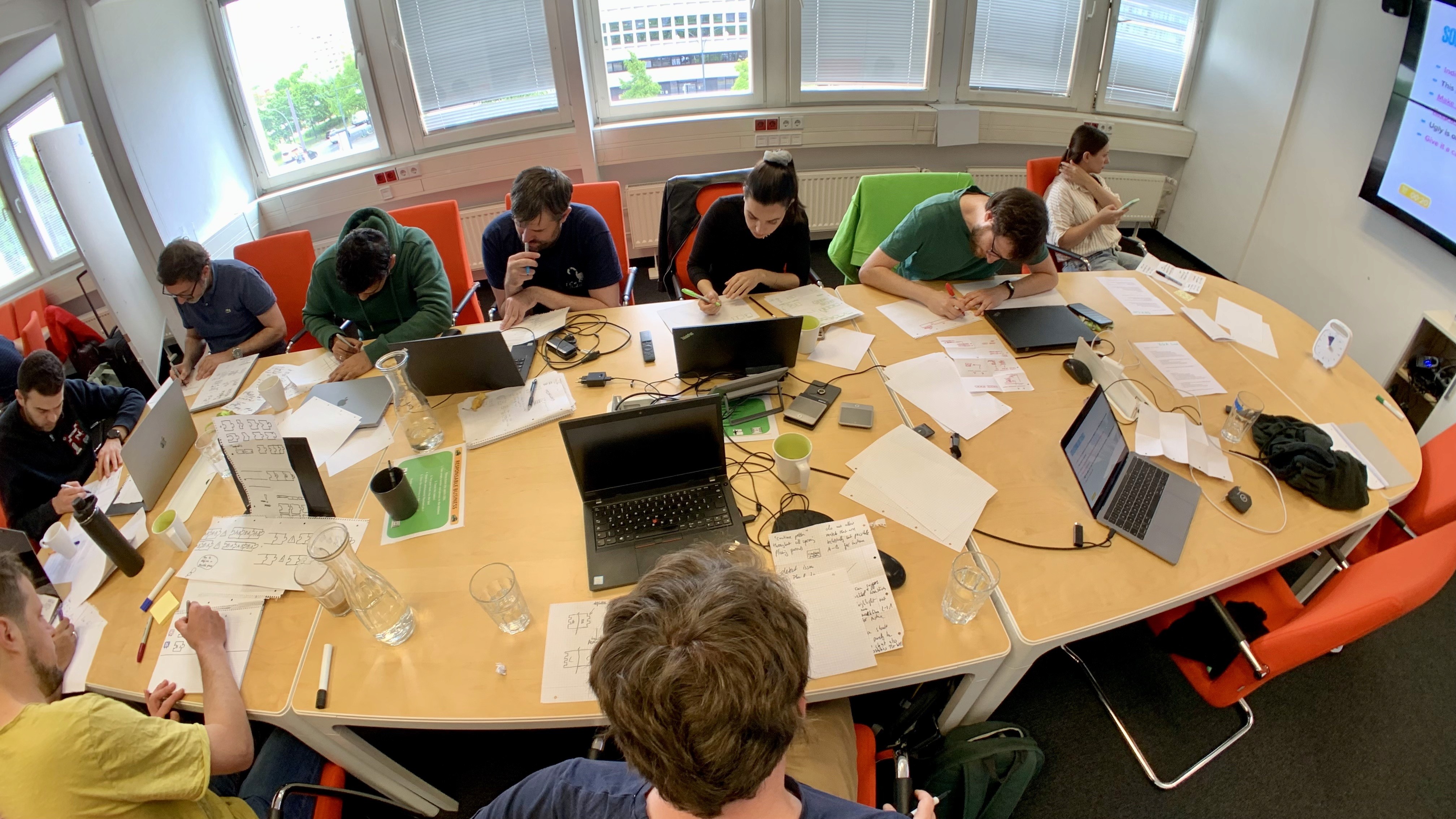
01
Beyond design improvements, the fundamental challenge was cultural transformation - Product Owners, developers, leadership, business stakeholders, and users needed to understand what UX actually entails and why user-centred design matters for business success.
After hiring a second UX designer, we faced operational challenges: defining our working model (agency vs. embedded approach), establishing reporting structures, creating transparent work visibility through tools like JIRA, managing designer availability across five product teams, and integrating UX into existing roadmap planning processes.
The final challenge involved experiential education - guiding each team through complete design processes so they could understand what collaboration feels like and set realistic expectations for future projects. This required extensive UX evangelism through talks, hands-on workshops, and collaborative design sessions.
02
Conducted stakeholder education sessions and UX maturity assessments, collaborated with leadership to hire a second designer via multi-stage interviews, then defined domain-wide UX and research-ops processes, roadmaps, rituals, and integration models with five product teams.
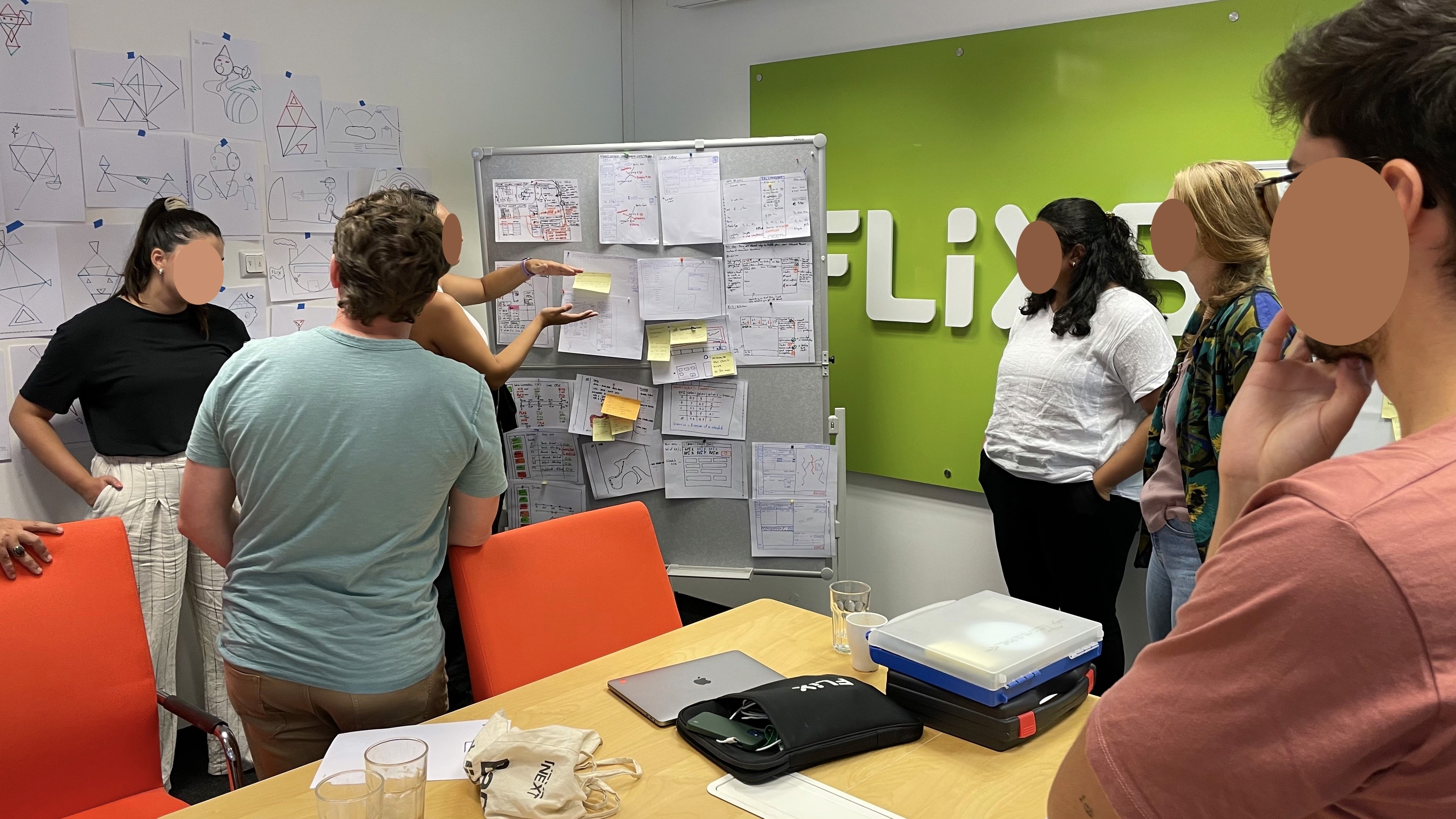
Taking the stakeholders through the design process in the context of work
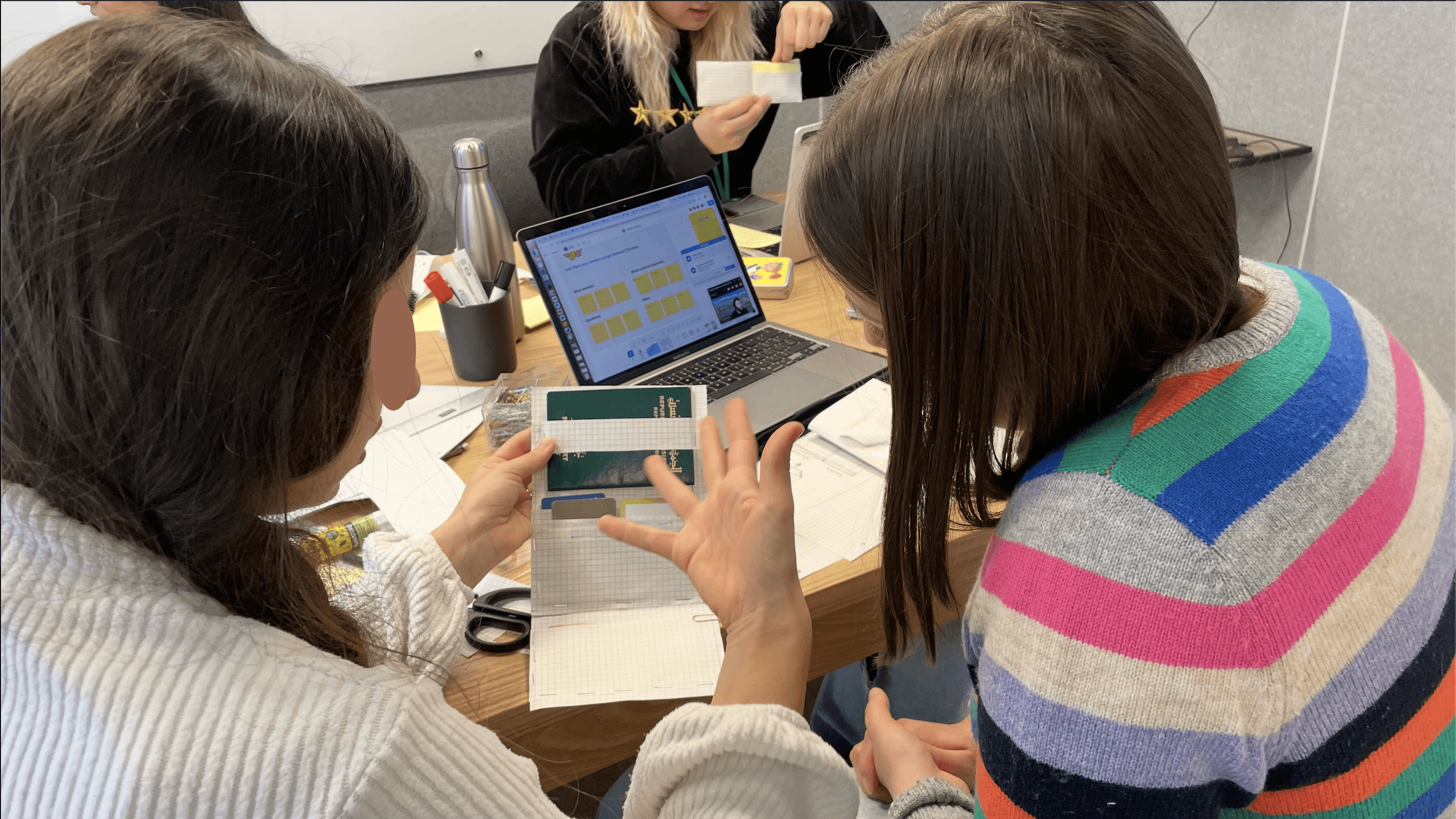
Wallet design challenge: series of fun workshops to understand design process for different teams
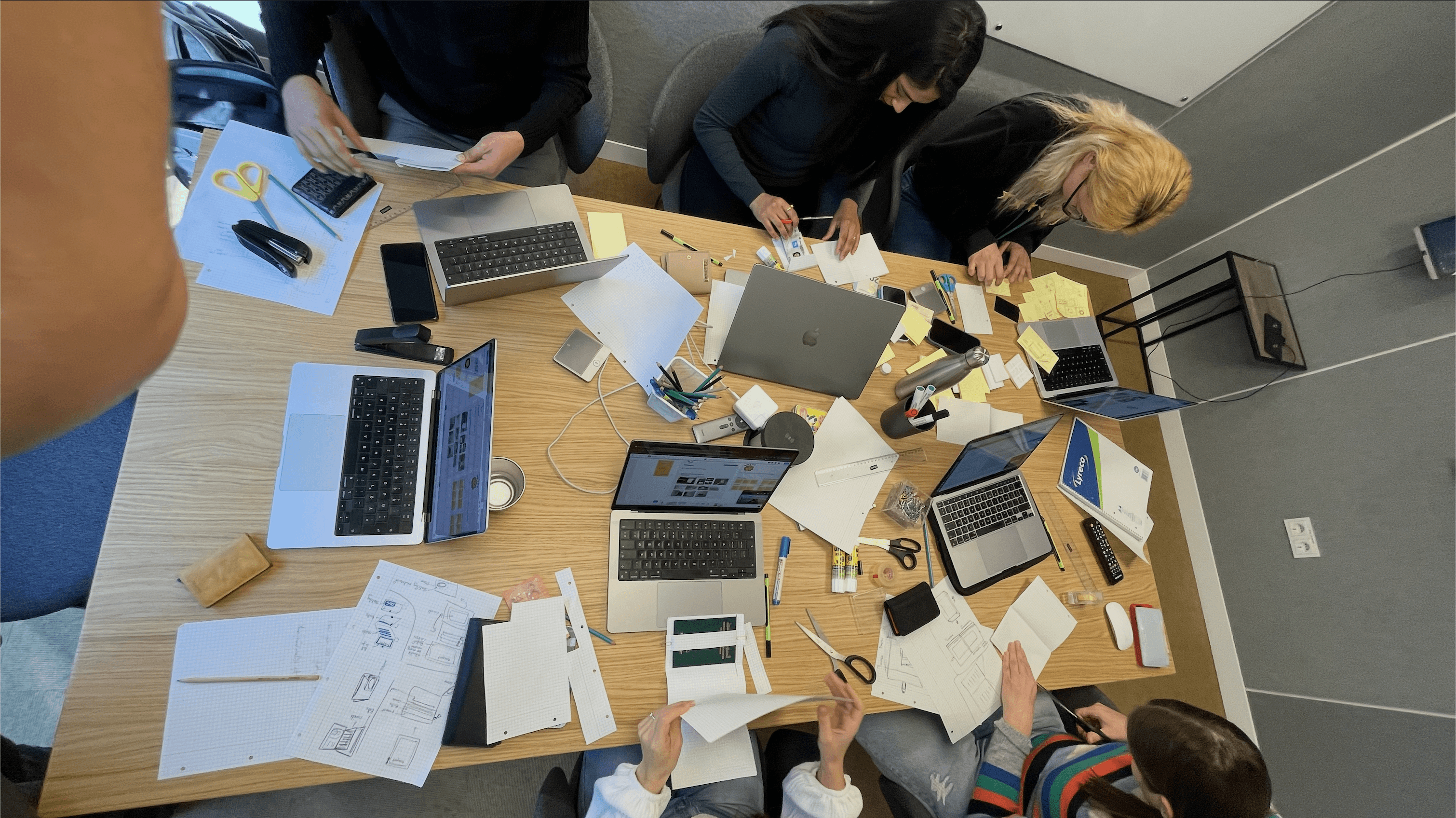
Wallet design challenge: series of fun workshops to understand design process for different teams
Workshop with business teams to visualise ideas and align on expectations
03
Launched a formal UX team utilising a hybrid embedded-agency model across product squads, standardised workflows and templates, and introduced design reviews and research sprints - leading to a noticeable cultural shift where engineering and product stakeholders began proactively asking about user needs.
04
Initial hands-on UX engagements stirred confusion: teams were unsure how to integrate UX - but as they experienced user research and design methods firsthand, engagement transformed into enthusiasm for the process.
A backend developer’s question, “Which user need does this feature address?” signified a genuine cultural shift toward user-centred thinking across engineering teams.
Product Owners began conducting their own user interviews - learning ethical interviewing techniques, bias awareness, and effective questioning - demonstrating that UX can be partially democratised within each squad.
True UX education demands repetition and reinforcement: single workshops aren’t enough; iterative training and continual practice ensure teams retain and apply UX principles when working independently.
Developed a robust UX hiring framework with HR - defining application screening criteria, multi-stage interview flows, stage objectives, and domain-specific skills assessments - to reliably evaluate and onboard new design talent.