01
Network planners were juggling 5-6 disconnected tools daily: historical performance analytics, route planning interfaces, demographic data dashboards, profitability calculators, and operations research optimisation systems. This constant tool switching created significant workflow inefficiencies, with each system lacking contextual awareness of the others, resulting in complex onboarding processes and frequent user errors.
Each tool featured completely different visual designs, layouts, and terminology: the same functionality would be labeled “Route A” in one system and “Line B” in another, creating cognitive confusion and increasing learning curves for both experienced planners and new hires.
The tools were originally developed in isolation by separate engineering teams prioritising technical simplicity over user experience, creating a core challenge: finding the optimal balance between minimising development dependencies while maximising UX improvements: requiring case-by-case strategic decisions.
Workflow inefficiencies were causing planning errors, long onboarding times, and low productivity: issues that, given FlixBus’s 2,500+ destinations across 35+ countries, translated into significant operational costs and missed optimisation opportunities. The business goal was to boost efficiency so fewer planners could manage more routes with fewer errors, while the key constraint was balancing ongoing maintenance of existing tools with the resources needed to build and roll out the new unified interface.
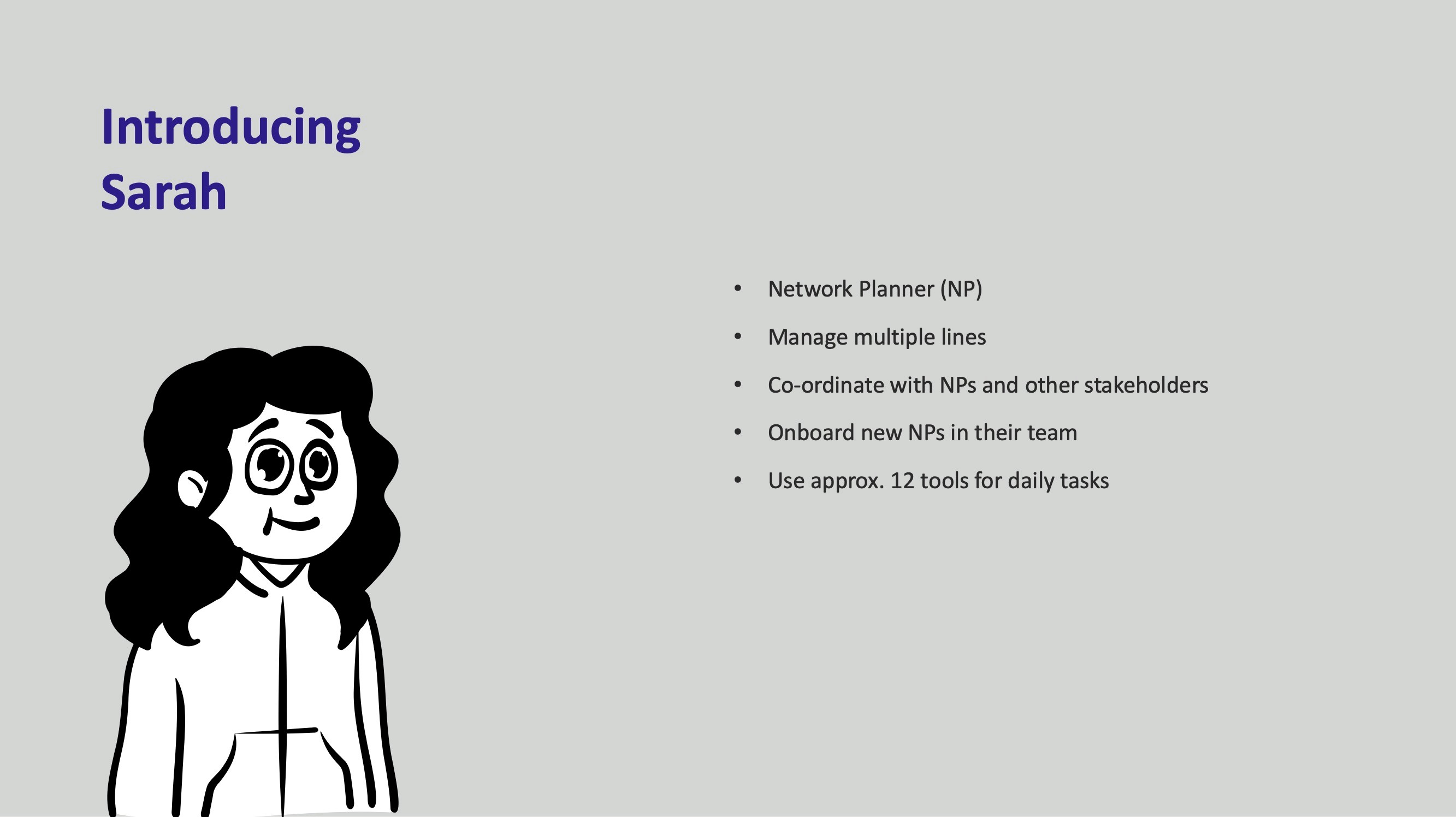
The target persona
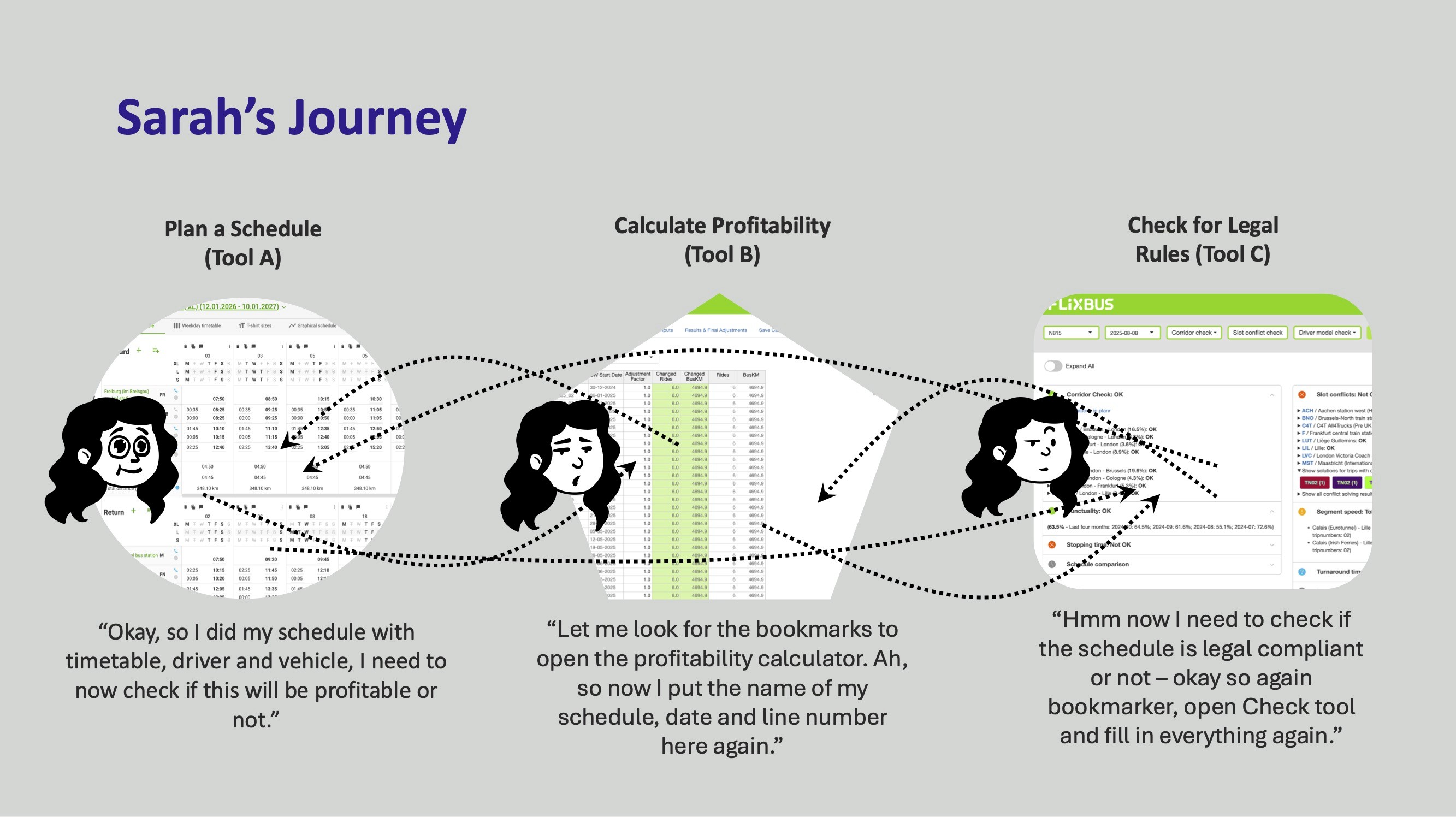
Sample of user journey
02
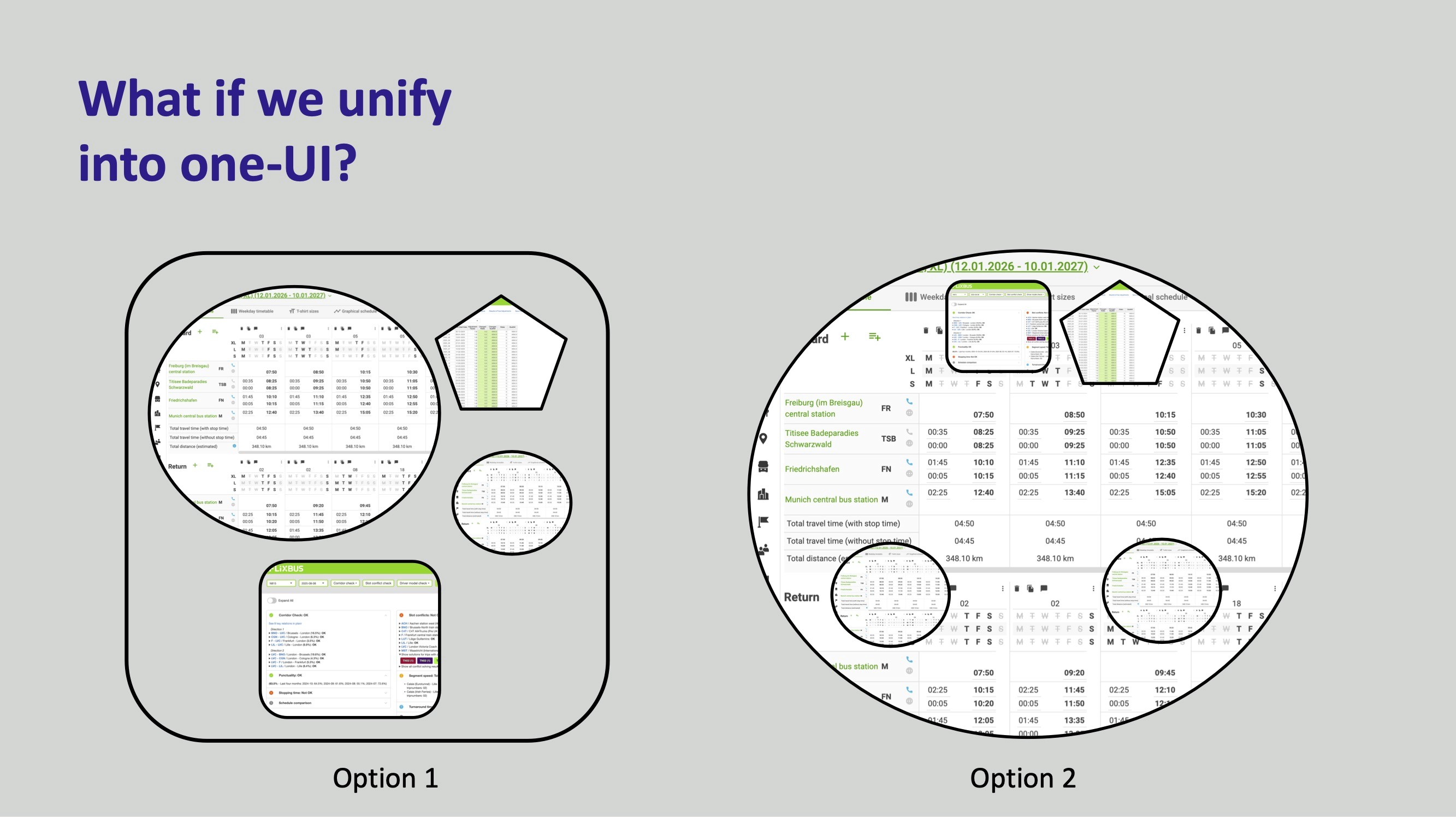
Options that could possibly solve the problems
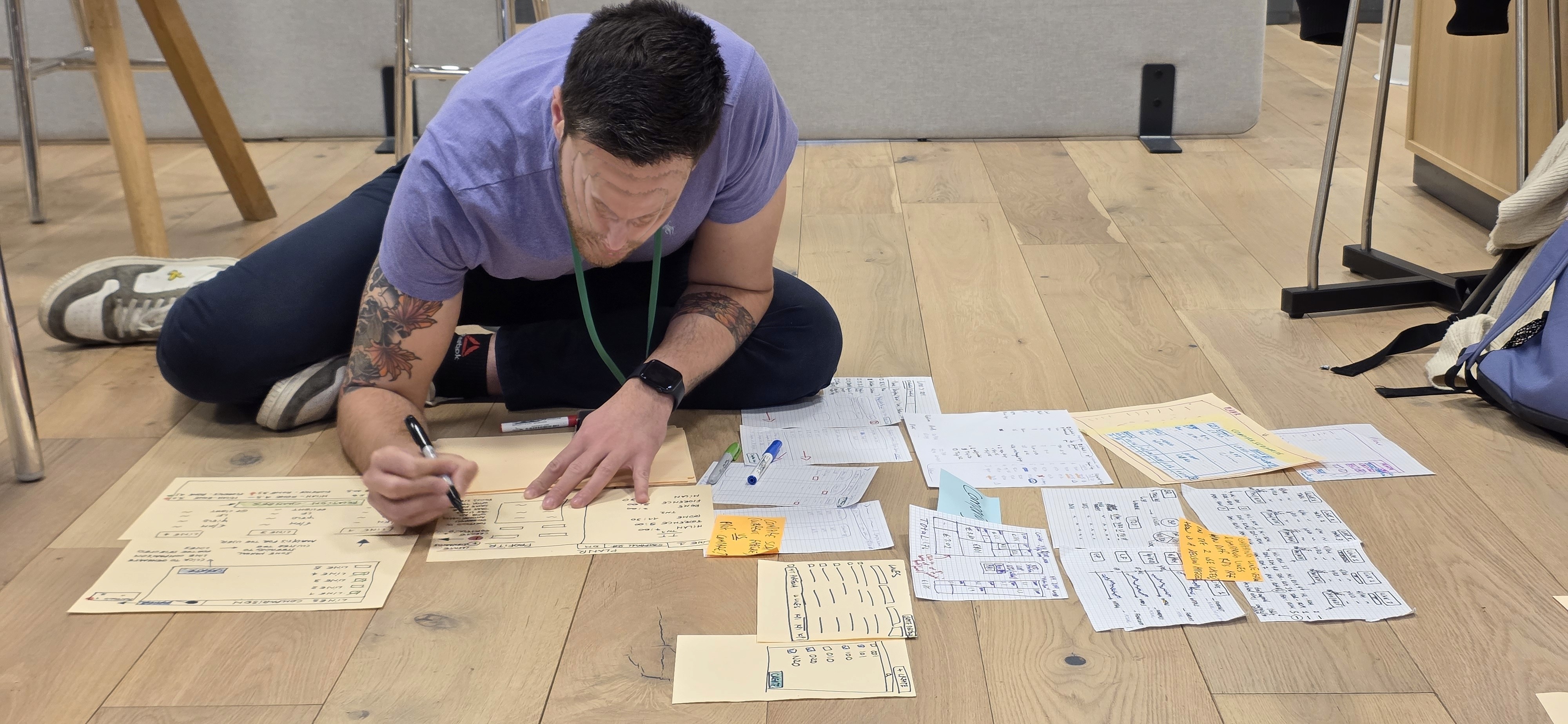
One of the user in a design workshop
03
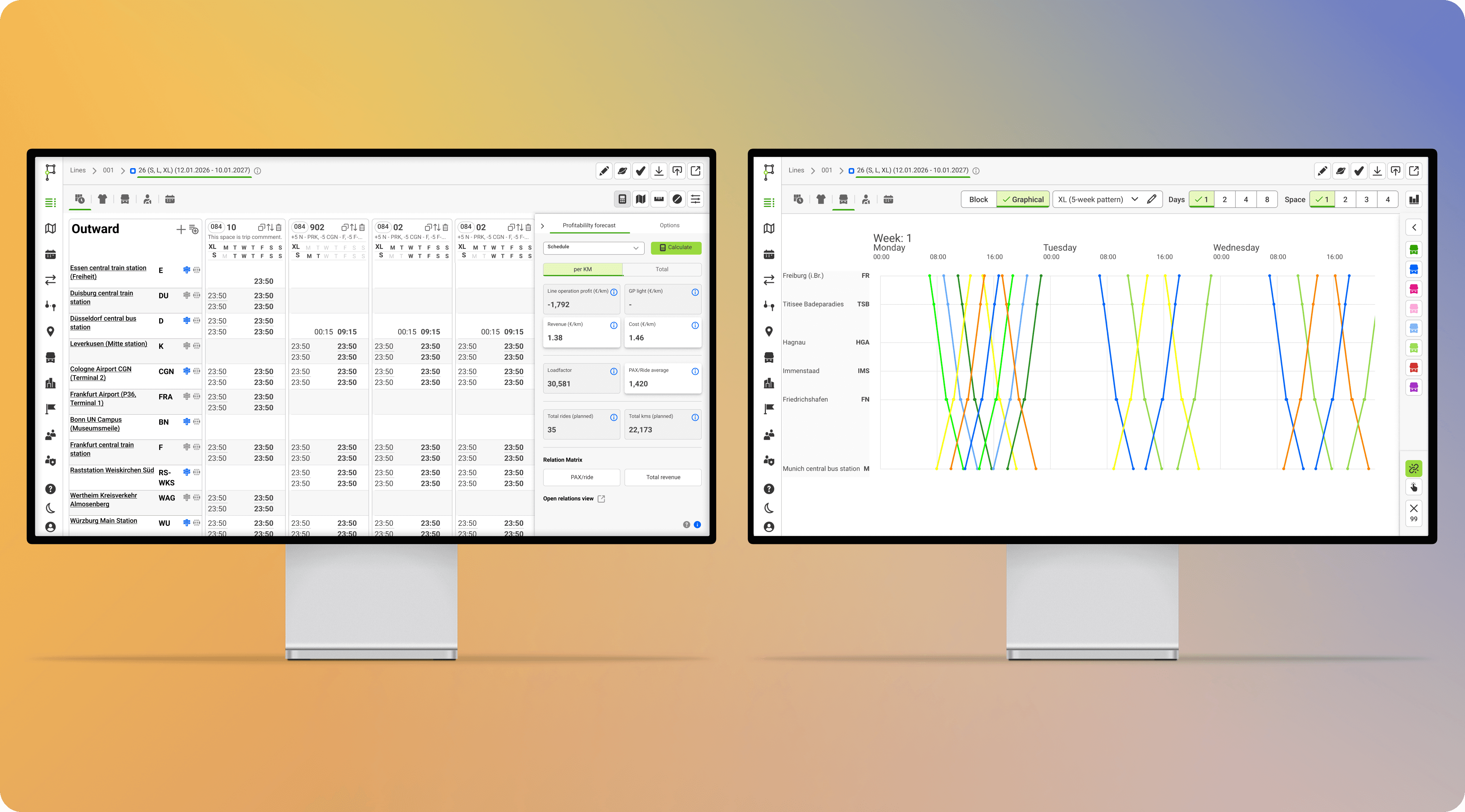
Delivered a unified web interface where planners access all tools: route planner, profitability calculator, and optimisation engine: through contextual tabs that share data (stops, dates, routes) without re-entry. Integrated an operations-research algorithm for schedule optimisation, displaying before-and-after comparisons with clear visual highlights of changes.
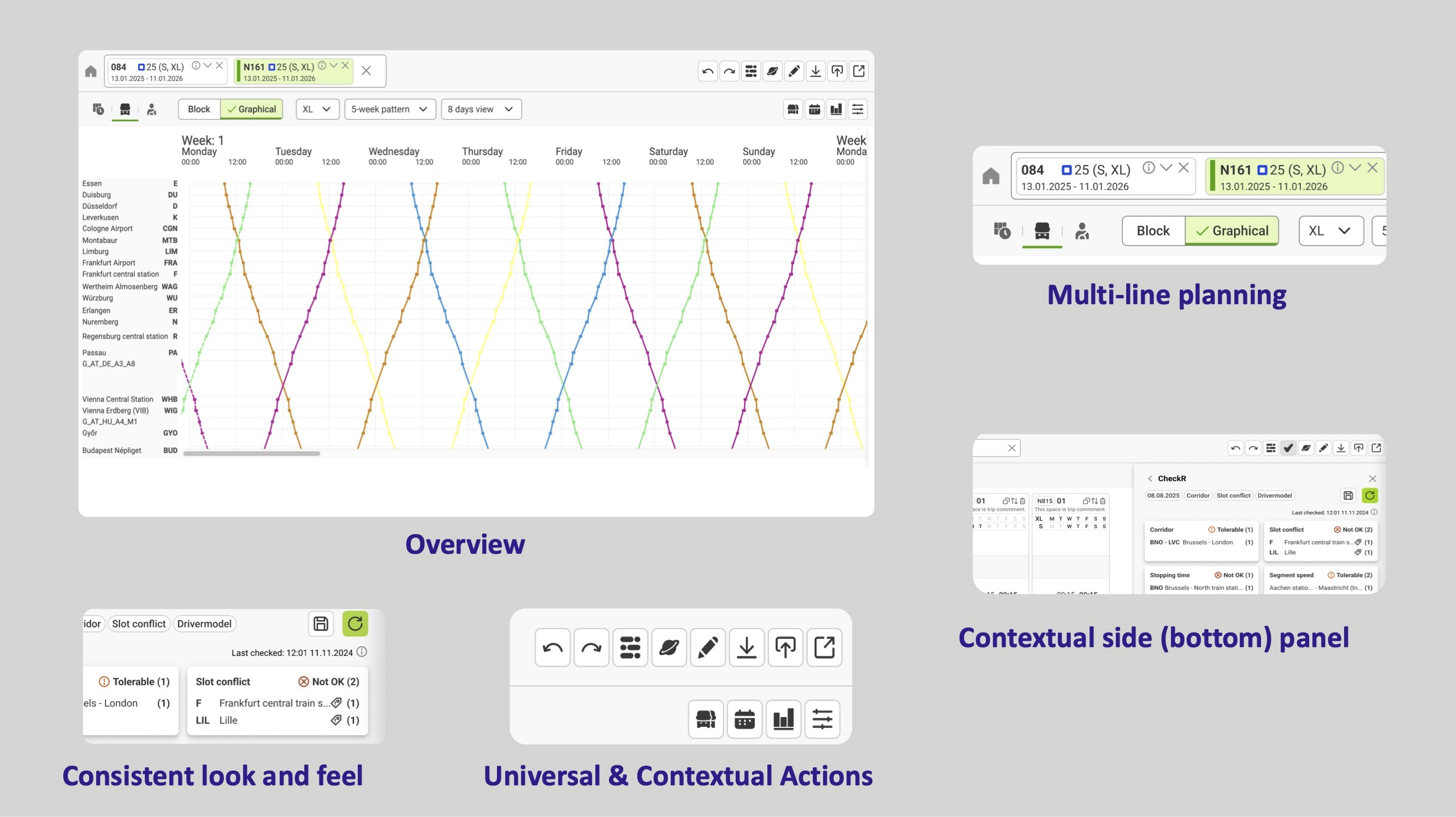
Final design component details
To be used on two 24" external screens
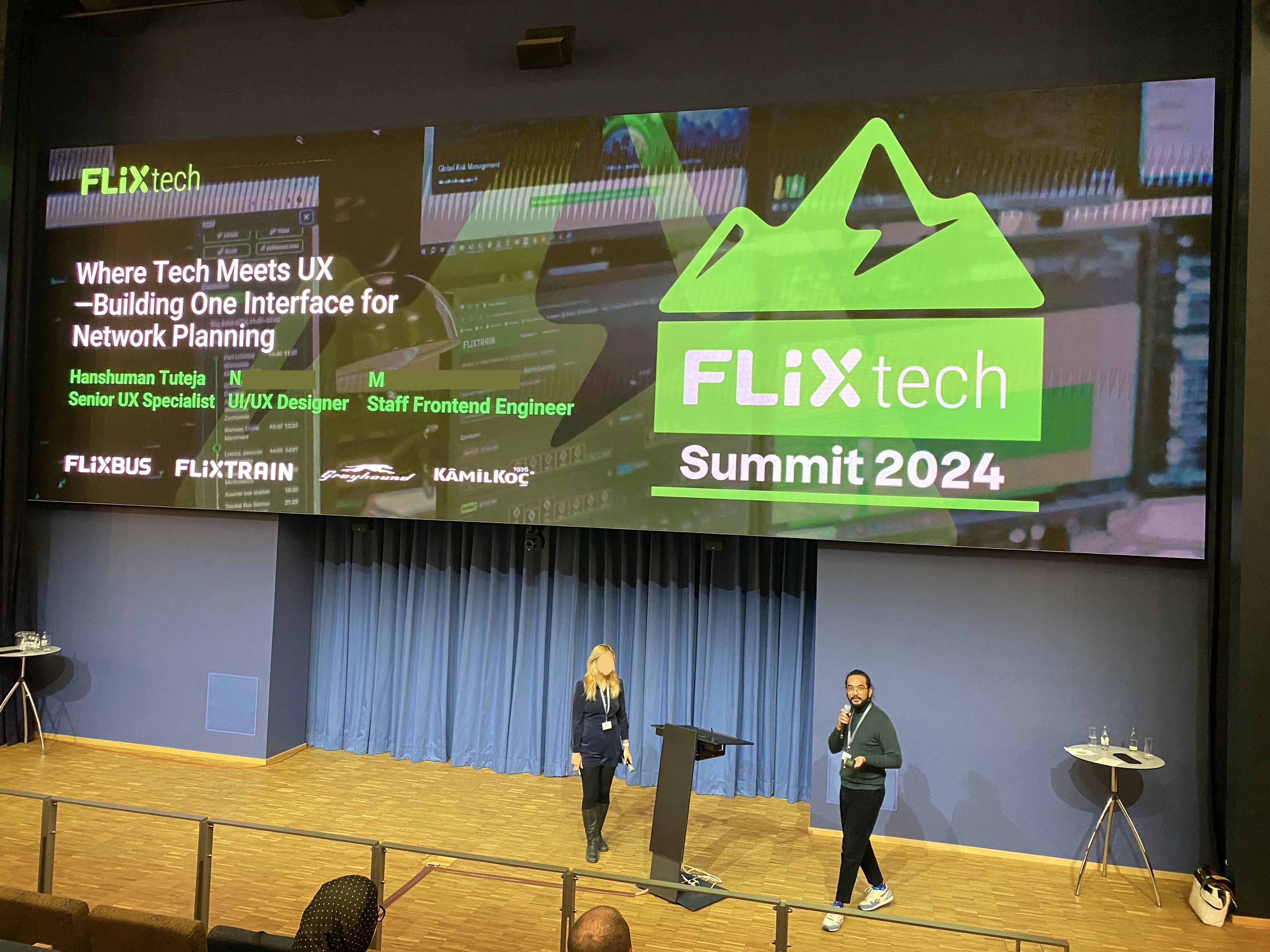
Presentation about unification of tools on company event
04
Realised colleagues may hesitate to critique internal tools, so conducted extensive shadowing, contextual inquiry, and analytics tracking to uncover true pain points.
Discovered the power of analogies: using film-editing and music-production software as inspiration: to help stakeholders envision a cohesive “one UI” despite disparate backend systems.
We also extended the company’s passenger-focused design system with custom components for complex internal workflows and onboarded domain frontend teams to share code, accelerating development and fostering reuse.